Appliance Recycling
We Buy Your Old or Unwanted Metal Appliances at Our Scrap Yards Across Central NC
Old appliances are heavy, difficult to move, and often harder to dispose of responsibly than people expect. Whether you are replacing a single household unit or clearing multiple appliances from a property, appliance recycling offers a practical way to manage unwanted equipment while recovering value from the materials inside.
At Clear Recycling, our goal is straightforward: provide a reliable place to safely recycle appliances in North Carolina, reduce landfill waste, and make the process clear and worthwhile for our customers.
What to Expect When Recycling Appliances
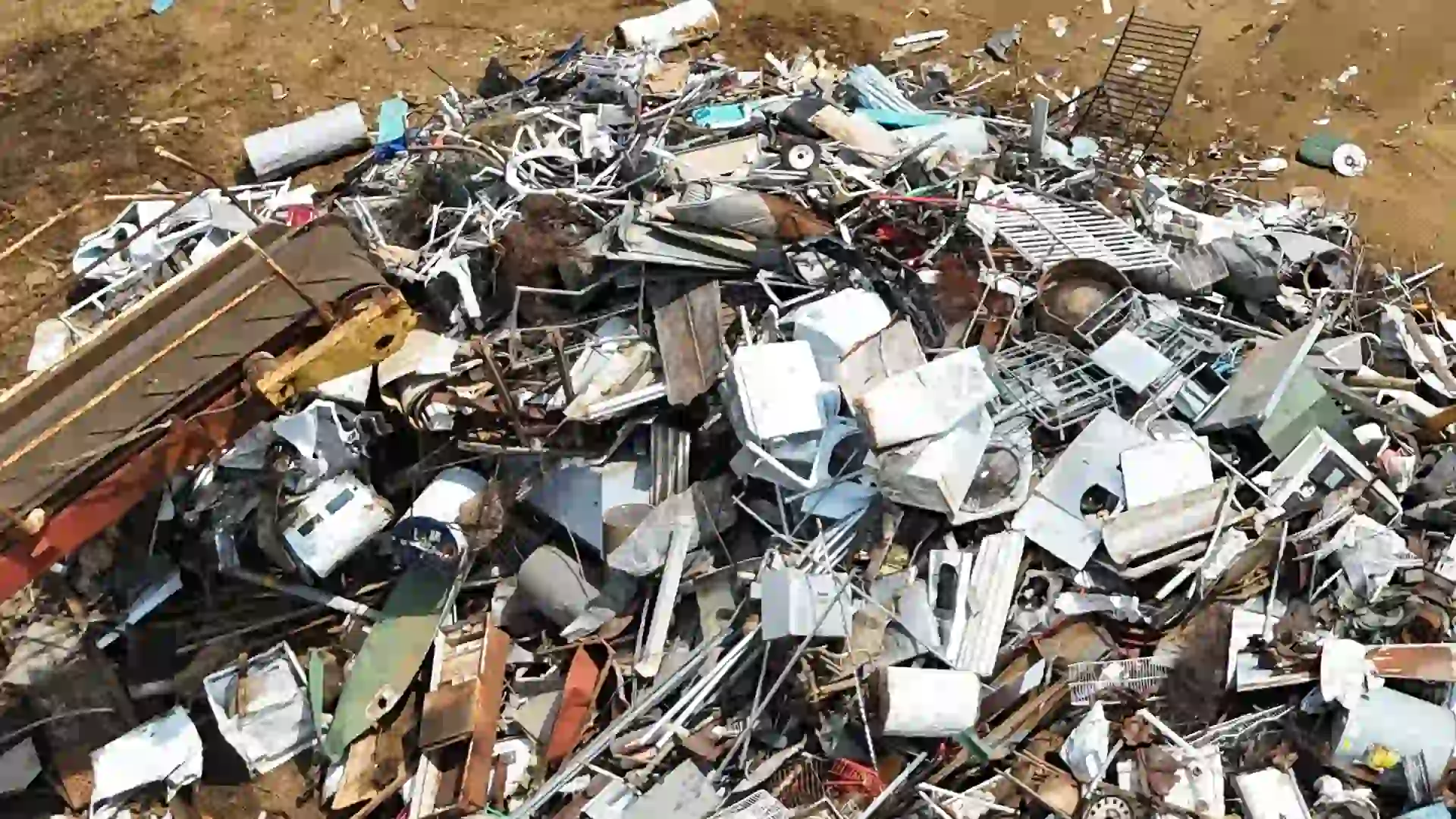
Most appliances contain a combination of recyclable metals that must be identified, separated, and processed correctly. Steel cabinets and frames, copper wiring, aluminum components, motors, and compressors all require different handling.
At Clear Recycling, we treat appliance recycling as a material recovery process, breaking each appliance down so usable metals can be sorted and prepared for recycling. This approach keeps valuable resources in circulation while reducing environmental impact.
Appliances We Commonly Accept for Recycling
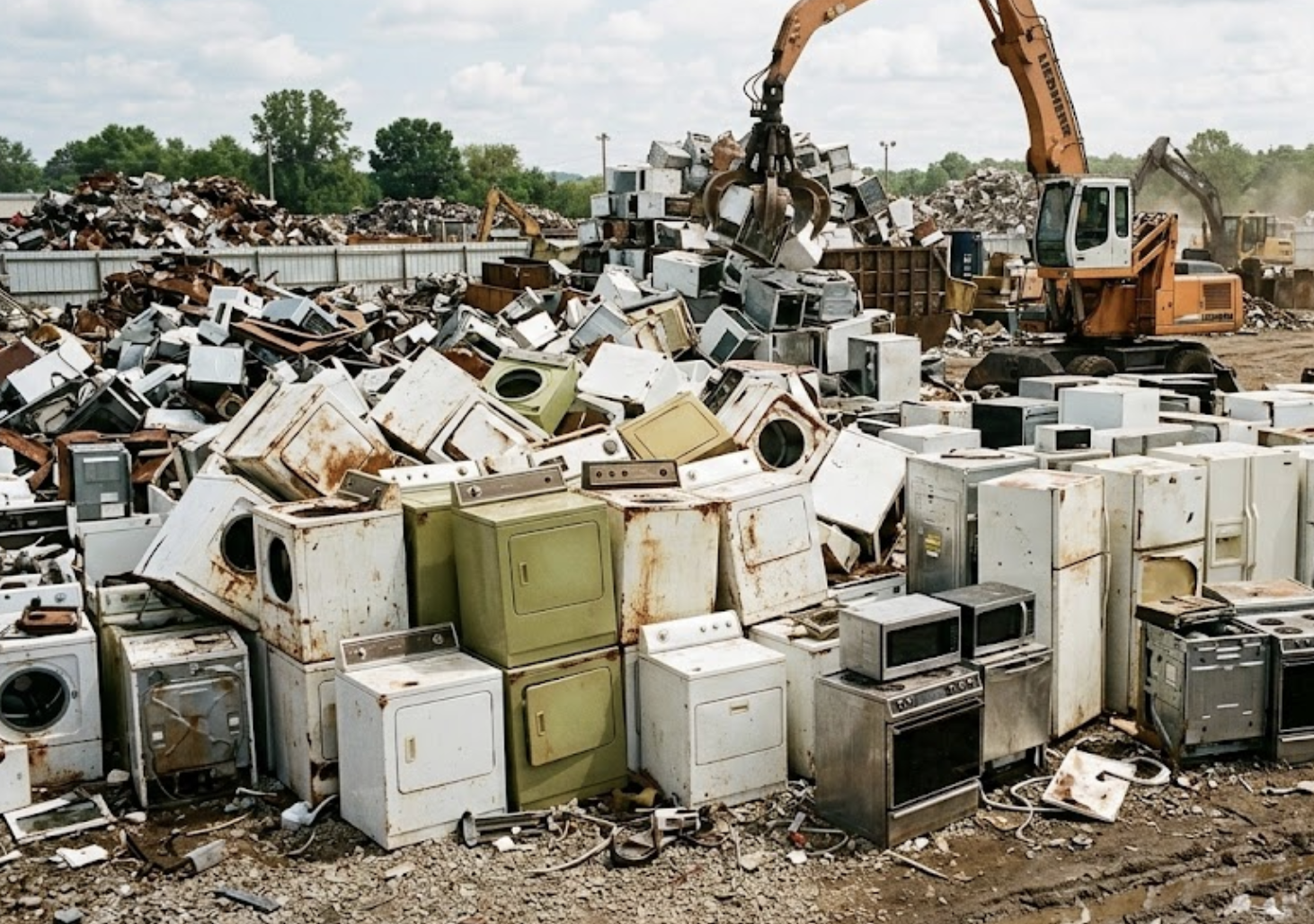
Many household and commercial appliances are well-suited for recycling due to their metal content:
- Washing machines and dryers
- Refrigerators and freezers
- Ovens, ranges, and cooktops
- Dishwashers
- Water heaters
- Trash compactors
- Garbage disposals
- Microwaves
- Window and portable air conditioners
- Dehumidifiers and metal-bodied air treatment units
- Standalone ice makers
- Commercial kitchen equipment, including refrigeration and stainless steel appliances
The materials we accept may vary based on size, condition, or material composition. If you’re unsure whether a specific appliance qualifies, contact us ahead of time for confirmation in order to avoid unnecessary trips.
How to Sell Your Recycled Appliance Metals
Here is our basic process for recycling your appliances and their materials, so you know what to expect when you arrive.
Step 1: Arrival and Initial Review
Appliances and loose scrap are reviewed to confirm acceptance and identify the primary recyclable materials. Most appliances are processed as mixed-metal loads unless the materials have already been separated.
Step 2: Documentation
To meet state and local requirements, sellers should be prepared with basic documentation. These requirements help keep appliance recycling legitimate, safe, and transparent for all parties:
- A valid photo ID is required for all transactions
- Additional documentation may be requested for large volumes or materials commonly associated with commercial or industrial use.
Step 3: Weighing and Material Classification
Accepted appliances and metals are weighed using certified scales. Materials are then classified by type, such as scrap steel, copper-bearing components, or aluminum parts. Classification reflects current market categories rather than flat or estimated rates.
Step 4: Processing and Payment
Once materials are accepted and categorized, pricing is applied based on weight and metal type. Payment is issued promptly, and staff are available to explain how materials were evaluated if questions arise.
How to Prepare Appliance Metals Before You Sell
Preparation is not required. However, some light preparation can improve efficiency so that your visit to our scrap metal recycling yard is straightforward and easy:
- Whole appliances are acceptable. Appliances do not need to be dismantled before drop-off.
- Separated metals are helpful but optional. Pre-separated steel, copper, or aluminum may speed classification.
- Remove non-metal debris when possible. Excess plastic, insulation, or trash can affect how materials are categorized.
How Appliance Metals Are Valued
Appliance recycling typically involves several types of metal, each evaluated differently based on the current market demand.
Scrap Steel
Scrap steel makes up the bulk of most appliances and is commonly found in outer cabinets, internal frames, drums, and structural supports. These components are processed as ferrous material and weighed after non-metallic elements are removed. Our steel recycling rates are based on the amount of recoverable steel identified once appliances are processed and non-metal materials are removed.
Copper Components
Copper is typically recovered from internal wiring, motor windings, compressors, and electrical assemblies found inside many appliances. These copper-bearing components are identified and evaluated separately from steel whenever possible due to their different recycling classification. We price recycled copper components by the quantity and type of copper recovered from appliance components after separation and grading.
Aluminum Parts
Aluminum is often present in appliance housings, condenser coils, brackets, and select internal panels. While lighter than steel, aluminum remains a valuable recyclable material when properly separated. Our aluminum recycling prices are measured by the aluminum content recovered after appliances are disassembled.
Why Appliance Recycling Is a Better Disposal Option
Discarding appliances through standard waste disposal can lead to unnecessary costs and environmental concerns.
Appliance recycling offers these clear advantages:
- Reduced Landfill Waste: Appliances are bulky and slow to break down. Recycling diverts large amounts of metal from landfills.
- Recovery of Reusable Materials: Steel, copper, and aluminum can be recycled, reducing the need for new raw material extraction.
- More Practical Disposal: Instead of coordinating bulky pickup services or paying disposal fees, appliance recycling provides a direct, efficient alternative.
Benefits of Choosing Clear Recycling for Appliance Recycling
Not all recycling facilities operate the same way. Clear Recycling focuses on making appliance recycling practical for real-world situations.
We provide:
- Local, in-person service with knowledgeable staff
- Competitive, market-based pricing explained at the time of drop-off
- Clear acceptance guidelines to avoid wasted trips
- Efficient processing for large or heavy appliances
Appliance Recycling FAQs
Do appliances need to be disassembled before coming to the scrap yard?
No. Appliances can be brought in intact and are processed during recycling.
Does appliance recycling cost money?
Recycling is often more cost-effective than disposal. Some appliances may qualify for payment based on metal content.
Can mixed appliance and scrap metal loads be accepted?
Yes. Appliances combined with other scrap metals are common and are sorted accordingly.
Recycle Your Appliances with Confidence
If old appliances are taking up space or you are ready to recycle metals, appliance recycling offers a practical and responsible solution. Clear Recycling provides a transparent process, competitive pricing, and knowledgeable support so you know what to expect at every step.
For current acceptance details, pricing factors, or preparation guidance, contact Clear Recycling today by visiting our scrap metal yards in Sanford, Durham, or Clinton, or by filling out our online contact form.